
For mums
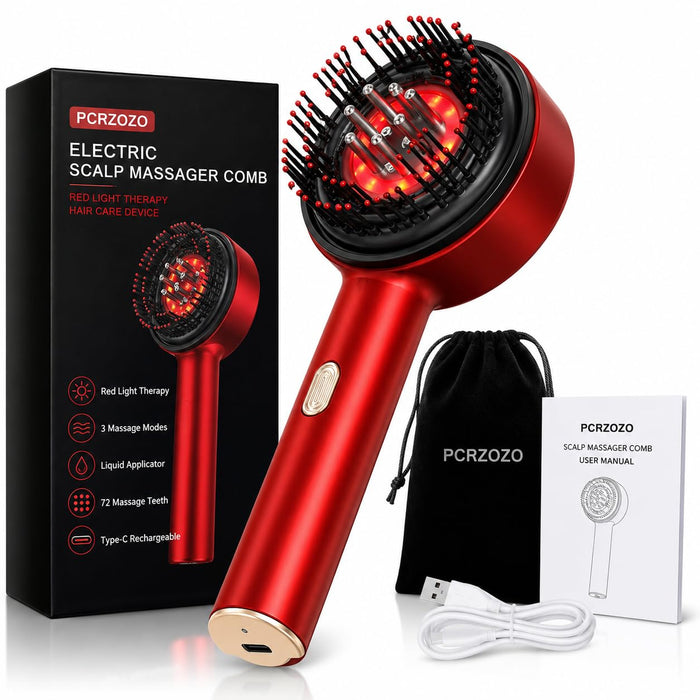
Red Light Scalp Massager Comb
Ten minutes, both hands free. Three massage modes, red light therapy and a liquid applicator for serums or oils — rechargeable, no cable to trip over.
£39.99
See how it worksFREE UK DELIVERY ON EVERY ORDER
Dispatched from the UK in 2 working days
30-day returns
FREE UK DELIVERY ON EVERY ORDER
Dispatched from the UK in 2 working days
30-day returns
FREE UK DELIVERY ON EVERY ORDER
Dispatched from the UK in 2 working days
30-day returns
FREE UK DELIVERY ON EVERY ORDER
Dispatched from the UK in 2 working days
30-day returns
FREE UK DELIVERY ON EVERY ORDER
Dispatched from the UK in 2 working days
30-day returns
FREE UK DELIVERY ON EVERY ORDER
Dispatched from the UK in 2 working days
30-day returns
FREE UK DELIVERY ON EVERY ORDER
Dispatched from the UK in 2 working days
30-day returns
FREE UK DELIVERY ON EVERY ORDER
Dispatched from the UK in 2 working days
30-day returns
FREE UK DELIVERY ON EVERY ORDER
Dispatched from the UK in 2 working days
30-day returns
FREE UK DELIVERY ON EVERY ORDER
Dispatched from the UK in 2 working days
30-day returns
FREE UK DELIVERY ON EVERY ORDER
Dispatched from the UK in 2 working days
30-day returns
FREE UK DELIVERY ON EVERY ORDER
Dispatched from the UK in 2 working days
30-day returns
UK family essentials
Ten quiet minutes for you. Something that gets them off the sofa. And a plan for the screen-time argument.
Chosen and sold from the UK. Every product does one job properly.
Ten minutes, both hands free. Three massage modes, red light therapy and a liquid applicator for serums or oils — rechargeable, no cable to trip over.
£39.99
See how it works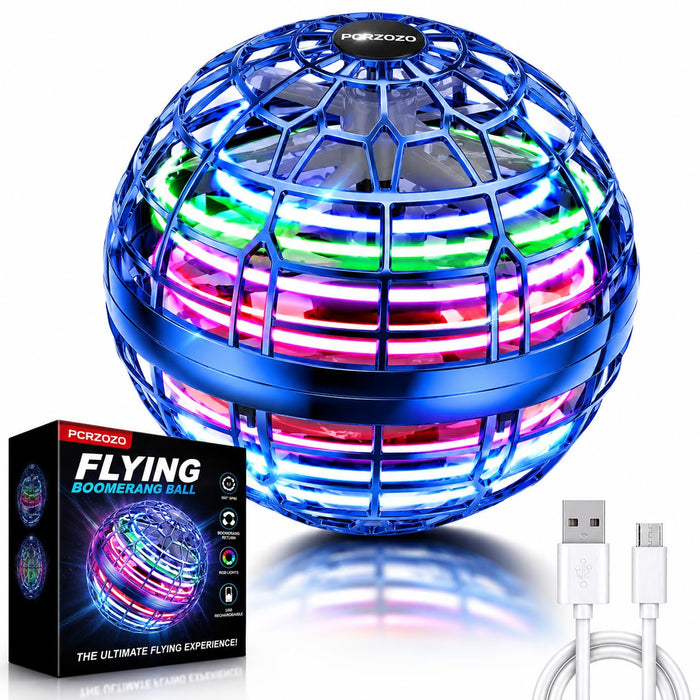
The ball that flies back. Hand-controlled, rechargeable and lit up — it gets them off the sofa and into the garden without being asked twice.
£19.99
Watch it fly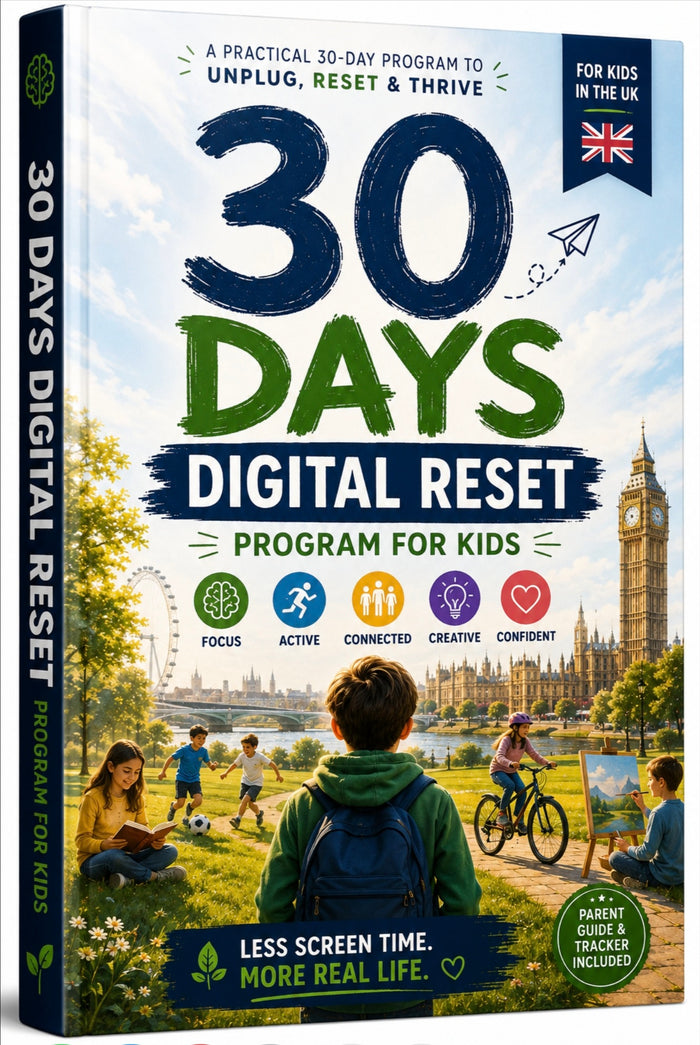
One small step a day, the exact words to say, and a plan for the days it all goes wrong. 115 screen-free activities and a printable workbook.
£14.99£27
We would rather sell three things that work than forty that nearly do. Every product here earns its place.
Our digital programme gives you a complete day free, on the page, before you spend anything. Judge it yourself.
Every page tells you who a product is not for. We would rather you skipped something than bought the wrong thing.
Our digital programmes are general information and practical encouragement for families. They are not medical, psychological or clinical advice, and no particular outcome is promised or implied. If you have concerns about your child’s screen use, development, sleep, mood or wellbeing, please speak to your GP, health visitor, or your child’s school.